Wall-Mounted Spatial Displays
The Spatial Display Monitor Shows the Robot Before the Prototype Is Complete
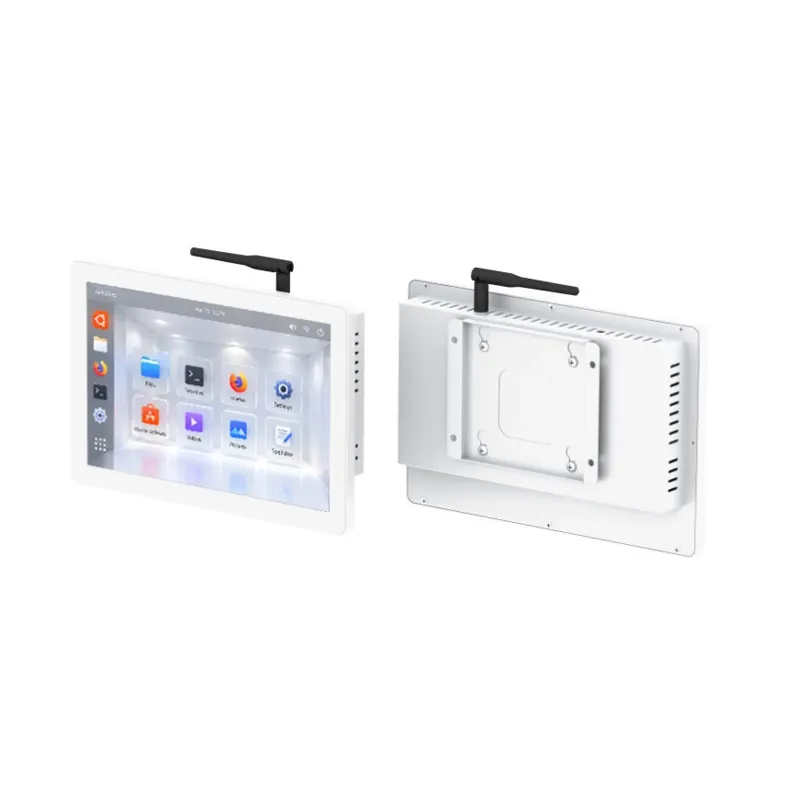
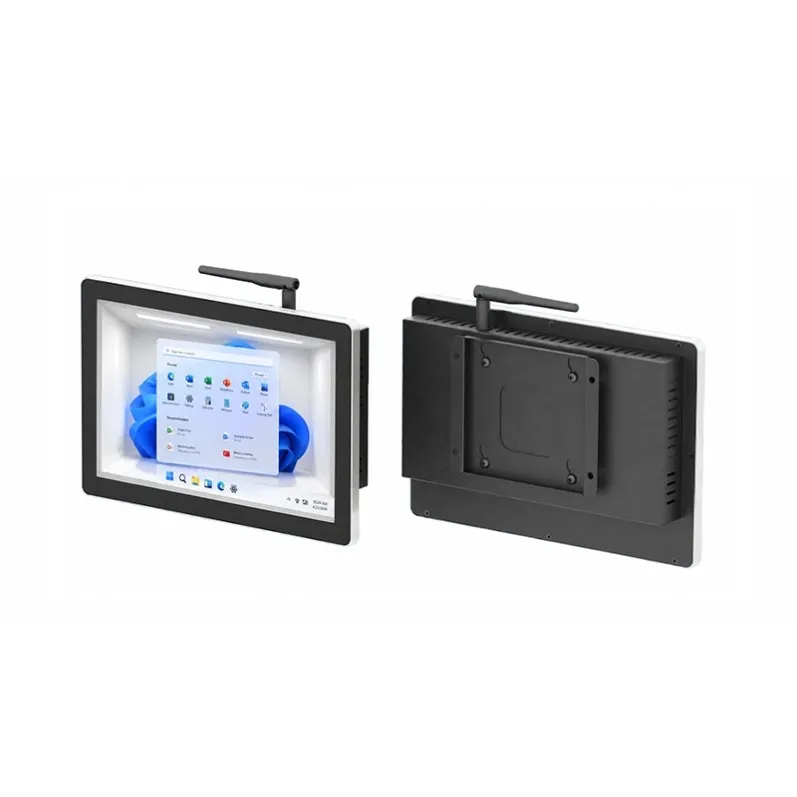
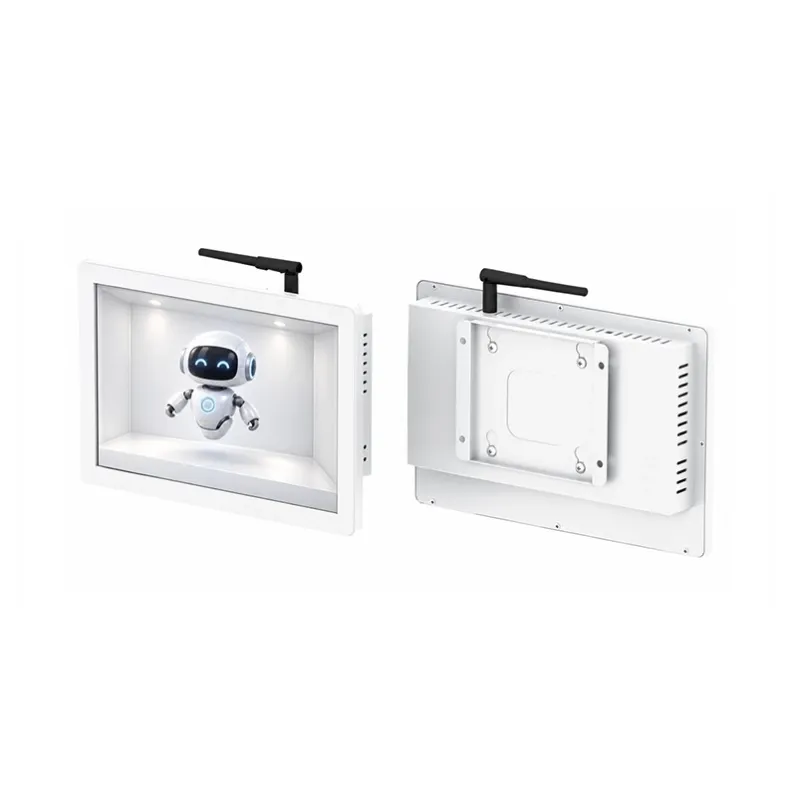
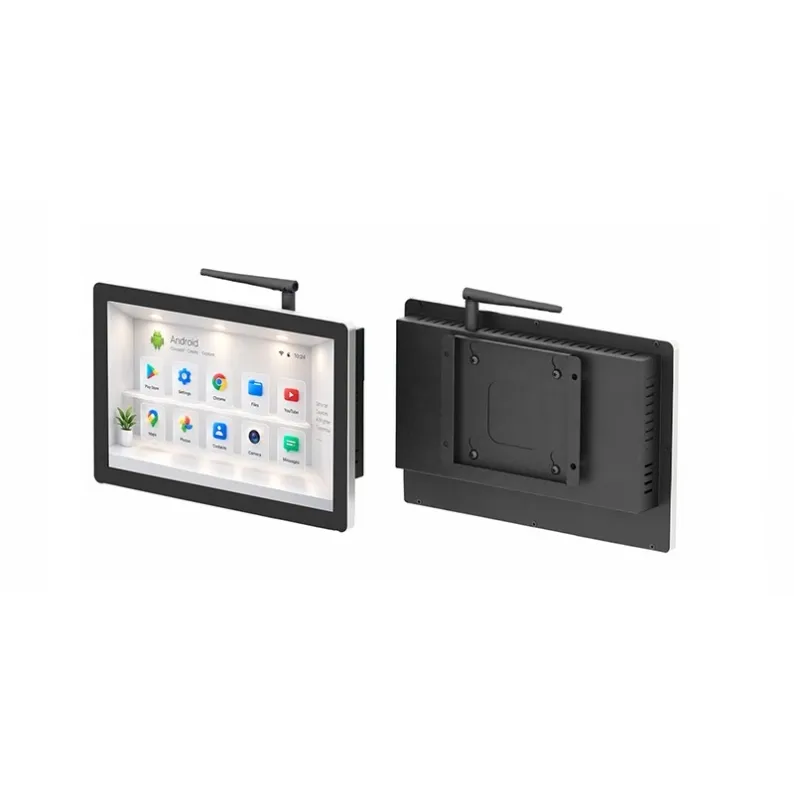
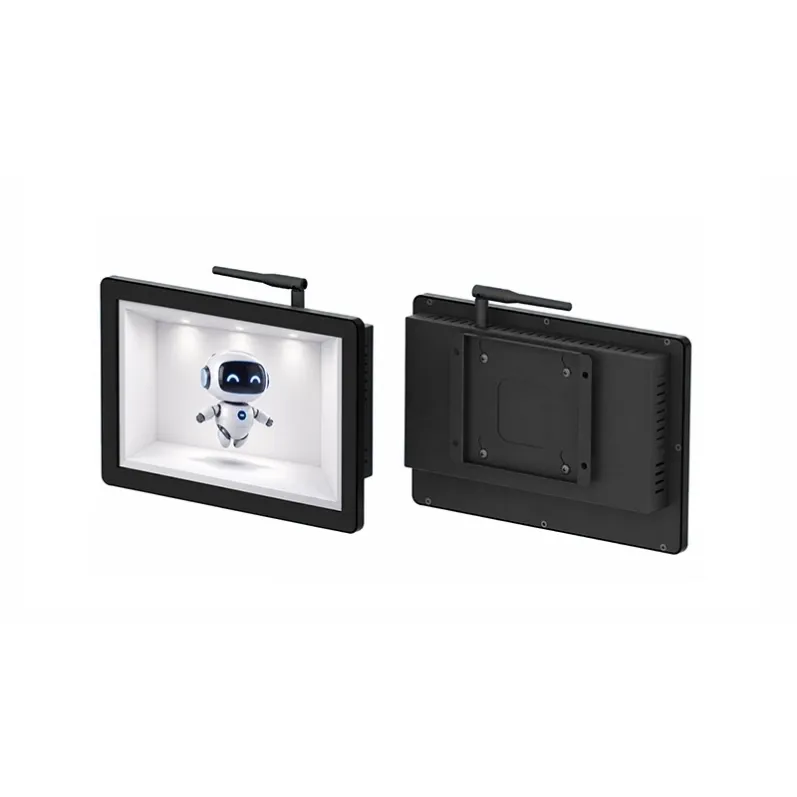
The 10.1-inch Android Spatial Display Monitor brings glasses-free 3D visualization to robotics exhibitions, galleries, and maker spaces. It presents complete robot designs with clear depth and dimensional details, helping visitors understand the relationship between individual components and the overall structure. Its compact size makes it ideal for displaying 3D concepts alongside sketches, prototype parts, and exhibition information.
Specifications
- Size
- 10.1 inch
- Operating System
- Android
- Color
- Black/white/silver
The Spatial Display Monitor Shows the Robot Before the Prototype Is Complete
A robotics exhibition can include finished machines and designs still taking shape. Sketches and prototype parts show where a design began. Visitors also need a view of how those pieces fit into the whole form. The 10.1-inch Android glasses-free 3D display is designed for a small interpretation position beside drawings, parts, or an exhibit label. A Spatial Display Monitor can present the complete robot concept and show the depth between the head, torso, and extended arms without requiring 3D glasses.
Bring the design decisions back into one form
Beside a set of humanoid robot sketches, give the display one approved concept to show. The robot in the scene has a dark face area, a light torso, and space between the arms and the body. Visitors can find the outline of the head in the drawing, then look at where the shoulders and arms meet in the dimensional view. The Spatial Display Monitor brings features that are marked separately on the drawings into one recognizable form.
A prototype part gives visitors another point of reference. If the object on the table is a head shell, the complete concept can show how it sits above the shoulders and how its size relates to the body. An exhibit using the Spatial Display Monitor can let visitors examine the shell first, then locate it in the full design. The label can explain the development stage and verified capabilities using the exhibit team’s own records.
The 10.1-inch format suits an interpretation point where people stop to compare a drawing, a part, and a label. If you’re planning a robotics gallery, maker space, or design exhibition, share the model you want to present and the part you want visitors to identify. We can discuss where the Spatial Display Monitor would serve that exhibit and provide a project quote.